From Old Games to New Era: GOG's Enduring DRM-Free Mission
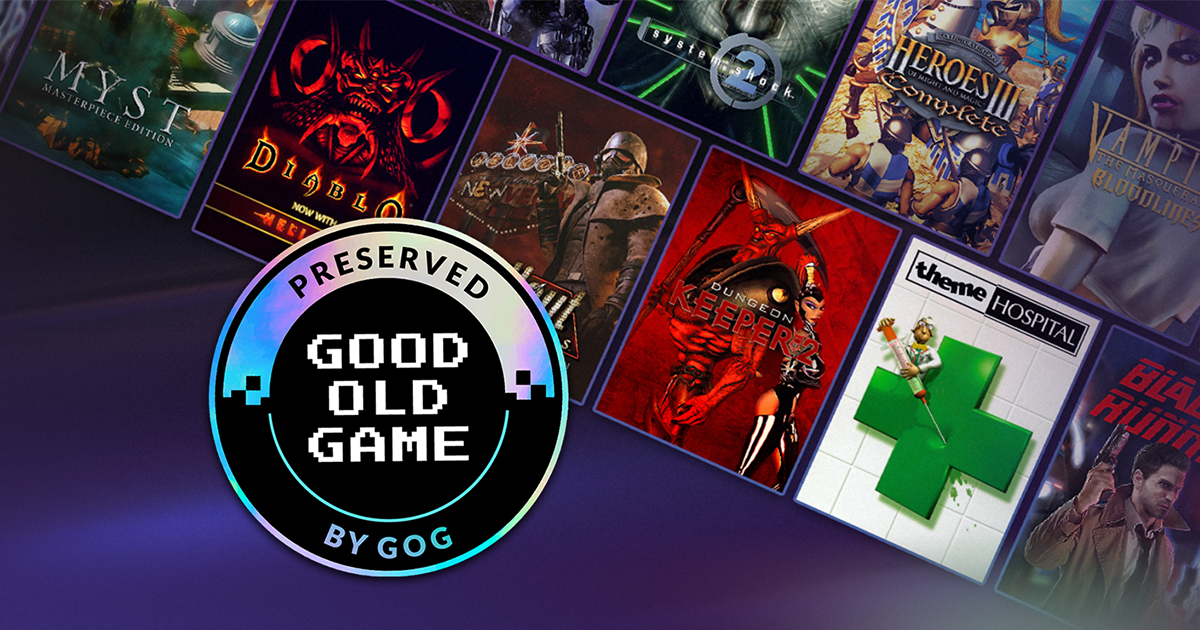
Nearly a decade ago, a small digital game store named Good Old Games emerged with a clear, resonant mission: to salvage and re-release classic PC games, making them playable on modern operating systems without the shackles of Digital Rights Management (DRM). What began as a modest operation, powered by a handful of dedicated individuals, has blossomed into GOG, a formidable player in the digital distribution landscape. The journey from "Good Old Games" to the snappier acronym GOG encapsulates a remarkable evolution, signalling an expansive vision for the
future of GOG that extends far beyond its nostalgic roots.
Today, GOG is a thriving entity, employing over 160 people and boasting a catalogue that rivals its competitors in both breadth and quality. While its commitment to preserving gaming history remains, GOG has successfully expanded its offerings to include the newest and biggest independent titles, such as *Pathfinder: Kingmaker* and *A Bard's Tale 4*. This growth is supported by its modern, Steam-like client, GOG Galaxy, which keeps games updated and connected. As CD Projekt, its parent company, has become a household name in gaming thanks to blockbuster titles like *The Witcher* series, GOG has ridden this wave, solidifying its position and setting the stage for an exciting era. The core DRM-free message, once a niche appeal, has now become a powerful differentiator that defines the unique
future of GOG.
The Evolution of a Digital Game Store: From Good Old Games to GOG
GOG’s origin story is rooted in a passion for gaming history and a frustration with the obsolescence of classic titles. In the early days, the challenge wasn't just acquiring licenses for beloved games, but meticulously working to ensure they ran flawlessly on contemporary hardware and software. This dedication to technical preservation, combined with a commitment to fair pricing and stellar customer service, quickly earned GOG a loyal following. Players appreciated the convenience of being able to purchase a game once and own it truly, free from the often restrictive and short-lived DRM schemes prevalent elsewhere.
The shift from "Good Old Games" to simply "GOG" reflects a strategic expansion of scope. While the "good old games" are still a cornerstone, the platform recognized the need to embrace the present and future of gaming. This meant onboarding contemporary titles, including critically acclaimed indie games and even major new releases. The rebranding wasn't merely cosmetic; it symbolized GOG's evolution into a full-fledged digital storefront capable of competing with industry giants. This broader appeal, while maintaining its foundational principles, is crucial for securing the vibrant
future of GOG.
CD Projekt's Influence and GOG's Expanded Horizons
The relationship between GOG and its parent company, CD Projekt, is a powerful synergy that has significantly shaped GOG's trajectory. The phenomenal success of *The Witcher* series, developed under the same roof, provided GOG with an unparalleled advantage. These blockbuster titles weren't just available on GOG; they often received preferential treatment, with GOG frequently being the best place to find discounts, especially for those who appreciate the DRM-free approach. This "family advantage" has been instrumental in raising GOG's profile, attracting a broader audience, and showcasing its capability to host new, high-profile games.
Beyond *The Witcher*, GOG has become a preferred platform for many independent developers seeking to offer their games without DRM. Titles like *Pathfinder: Kingmaker* and *A Bard's Tale 4* highlight GOG’s growing reputation as a viable alternative for day-one purchases. This expansion into the latest releases demonstrates GOG’s ambition to be a comprehensive gaming hub, not just a nostalgic archive. The ongoing collaboration and strategic alignment with CD Projekt will undoubtedly continue to drive the growth and diversification crucial for the sustained
future of GOG.
The Enduring Power of DRM-Free: A Core Philosophy for the Future of GOG
In an era dominated by always-online requirements, restrictive licenses, and platform lock-ins, GOG's unwavering commitment to its DRM-free principle stands as a bold statement. GOG managing director Piotr Karwowski confirmed that being DRM-free is "still something to shout about," and for good reason. The philosophy isn't just about convenience; it's about player ownership and digital freedom. When you buy a game on GOG, you truly own it. You can download it, back it up, install it on as many computers as you like, and play it offline without fear of server shutdowns or license revocations rendering your purchase useless.
This commitment fosters a sense of trust and respect between the platform and its users. It resonates deeply with gamers who value autonomy over their digital libraries. In a world where access to content is increasingly conditional, GOG offers a refreshing alternative. This principle also future-proofs gaming libraries, allowing players to revisit cherished titles years down the line, regardless of evolving technology or the longevity of a specific storefront. For many, this intrinsic value proposition is why GOG remains a top choice, ensuring that this core philosophy will continue to define the vibrant
GOG's Future: Mod Support, Steam Rivalry, and DRM-Free Growth, and indeed, the entire
future of GOG.
Shaping the Future: Mod Support and Community Engagement
One of the most exciting developments on the horizon for GOG is the confirmed integration of mod support. Piotr Karwowski revealed that this feature is "in the pipeline," a piece of news that has been met with significant enthusiasm from the community. Modding is a cornerstone of PC gaming culture, extending the life, replayability, and creativity of countless titles. By officially embracing mod support, GOG significantly enhances its value proposition, especially for games with robust modding communities. This move not only caters to a dedicated segment of gamers but also strengthens GOG's position as a player-centric platform.
Furthermore, GOG's approach to community engagement extends beyond technical features. While the specifics of the "problematic tweet GOG took down" aren't detailed in the context, the very act of taking down a controversial tweet demonstrates a responsiveness to community feedback and a willingness to course-correct. This open dialogue and attentiveness to its user base are crucial for building a strong, loyal community, which in turn feeds into the positive perception and enduring success of the platform. Prioritizing features like mod support, alongside responsive community management, are vital ingredients in shaping the dynamic
GOG vs. Steam: The Battle for Mod Support and DRM-Free Gaming, and ultimately, the prosperous
future of GOG.
Navigating the Competitive Landscape: GOG's Unique Value Proposition
In a highly competitive digital distribution market, often dominated by behemoths like Steam, GOG must continually articulate its unique value proposition. Its "Steam rivalry" is less about direct confrontation and more about carving out a distinct space by offering an alternative vision of game ownership. Beyond the fundamental DRM-free stance, GOG differentiates itself through several key factors:
*
Curated Selection: While expanding its catalogue, GOG still maintains a level of curation, often focusing on quality titles, particularly those from independent developers.
*
Retro Compatibility: Its roots in preserving old games means GOG excels at ensuring classic titles run smoothly on modern systems, a service largely unmatched elsewhere.
*
Customer Service: GOG maintains a reputation for excellent customer service, prioritizing user satisfaction over strict policy enforcement.
*
GOG Galaxy: The optional client provides modern features like cloud saves, achievements, and multiplayer, but crucially, it remains *optional*, aligning with the DRM-free ethos of player choice.
*
Community Focus: Features like upcoming mod support and a responsive approach to community feedback foster a strong, engaged user base.
For players, choosing GOG often comes down to a philosophical alignment with its principles. If you value true ownership, the ability to play offline indefinitely, and support a platform that champions digital freedom, GOG presents a compelling choice. While it may not always have every single new release, its commitment to its core values and ongoing innovation in areas like mod support ensure its relevance and a promising
future of GOG in the digital gaming ecosystem.
GOG's journey from a niche provider of "Good Old Games" to a comprehensive digital storefront is a testament to the power of a clear vision and unwavering commitment to player freedom. Its enduring DRM-free mission, bolstered by CD Projekt's success and upcoming features like mod support, positions GOG as a vital and distinctive voice in the gaming industry. As it continues to balance nostalgia with innovation, GOG stands poised to grow its community and influence, offering a player-first alternative that defines a compelling and bright
future of GOG.