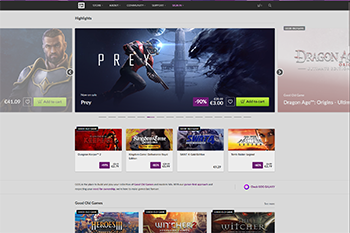
Almost a decade ago, a small operation known as Good Old Games emerged from the visionaries at CD Projekt. Its mission was simple yet profound: to salvage classic PC titles, make them compatible with modern systems, and offer them to players completely free of Digital Rights Management (DRM). What began as a handful of dedicated individuals and a curated selection of beloved relics has since blossomed into GOG, a formidable digital storefront with over 160 employees and a burgeoning presence in the contemporary gaming landscape. This dramatic transformation raises pertinent questions about the future of GOG, its ambitions for mod support, its competitive stance against industry giants like Steam, and its unwavering commitment to the DRM-free philosophy.
The Evolution of GOG: More Than Just Good Old Games
The journey from "Good Old Games" to the snappier, now widely recognized "GOG" acronym is a testament to the platform's incredible growth and adaptability. Initially, its charm lay in its meticulous restoration of titles like Baldur's Gate and Planescape: Torment, ensuring they ran flawlessly on new operating systems. This dedication, coupled with attractive pricing and stellar customer service, forged a loyal community. However, as the digital gaming market matured, GOG recognized the need to expand its horizons.
Today, GOG is far from being a niche platform exclusively for retro enthusiasts. While its roots in game preservation remain strong, its catalog now proudly features some of the newest and most exciting independent games, such as the critically acclaimed Pathfinder: Kingmaker and the immersive A Bard's Tale 4. This strategic shift has allowed GOG to appeal to a broader audience, demonstrating its capability to host both the timeless and the cutting-edge.
A significant pillar of this evolution has been the development and refinement of GOG Galaxy, its modern desktop client. Much like Steam, Galaxy provides a centralized hub for game management, automatic updates, cloud saves, and a unified friend list across platforms. This client has been instrumental in offering a streamlined, contemporary user experience, bridging the gap between GOG's classic roots and its forward-looking aspirations. Furthermore, the unparalleled success of CD Projekt's own The Witcher series has undeniably propelled GOG to new heights, serving as the primary digital home for these blockbuster titles and cementing GOG's position in the mainstream gaming consciousness.
A Game-Changer: Mod Support on the Horizon
One of the most exciting revelations concerning the future of GOG is the confirmed pipeline for integrated mod support. This move is a significant step, potentially empowering players and extending the longevity of games on the platform in unprecedented ways. Modding has always been a cornerstone of PC gaming culture, allowing communities to enhance, personalize, and even completely transform their favorite titles. For a platform built on community and player freedom, the integration of official mod support feels like a natural and overdue progression.
But what exactly could GOG's mod support look like? While details are yet to be fully unveiled, one can speculate on several possibilities. It could involve:
- Integrated Mod Management: Similar to Steam Workshop, GOG Galaxy could evolve to include a dedicated section for browsing, downloading, and installing mods directly from the client. This would simplify the process for users, making modding more accessible to a wider audience.
- Curated Selection or Open Market: GOG might opt for a curated approach, ensuring quality and compatibility, or lean towards a more open marketplace model, allowing any developer or community member to upload their creations. Given GOG's historical emphasis on quality and customer experience, a hybrid approach seems plausible.
- DRM-Free Modding: Crucially, GOG's mod support would need to align with its core DRM-free philosophy. This means ensuring that mods themselves, and the games they interact with, remain accessible and functional without relying on external authentication. This commitment to player ownership would undoubtedly be a key differentiator.
The introduction of robust mod support could significantly boost GOG's appeal, particularly for games with active modding communities. It fosters creativity, prolongs game lifespans, and deepens player engagement, solidifying GOG's reputation as a platform that truly respects and empowers its users.
Navigating the Digital Frontier: GOG's Stance Against Steam
The digital storefront landscape is fiercely competitive, with Valve's Steam holding a dominant position. However, GOG managing director Piotr Karwowski's discussions highlight a clear strategy for GOG: not to directly overpower Steam, but to offer a compelling, principled alternative. The "Steam rivalry" isn't about mere competition; it's about carving out a distinct identity based on core values that resonate with a specific segment of the gaming community.
GOG differentiates itself through several key aspects:
- Unwavering DRM-Free Policy: This is GOG's strongest and most consistent differentiator. While Steam relies heavily on DRM for its titles, GOG offers true ownership. This means players can download their games and play them offline, forever, without needing any client or internet connection after the initial download. This appeals to consumers who value game preservation and digital freedom.
- Curated Catalog and Customer Service: GOG has historically maintained a more curated selection of games, often with a focus on quality and player experience over sheer volume. This approach, combined with its renowned customer service, helps foster a sense of trust and community.
- The CD Projekt Family Advantage: The synergistic relationship with CD Projekt RED, the developer behind The Witcher series and Cyberpunk 2077, provides GOG with a unique leverage. These highly anticipated titles often see their most favorable discounts and bundle deals directly on GOG, drawing in a massive player base and showcasing the platform's capabilities.
While Steam boasts a larger market share and an exhaustive library, GOG's strategy focuses on quality, ethical consumer practices, and a strong identity. This targeted approach positions GOG not as a generalist, but as the preferred choice for discerning gamers who prioritize ownership and an unencumbered gaming experience.
The Enduring Power of DRM-Free Gaming
In a world increasingly dominated by digital subscriptions and always-online requirements, GOG's steadfast commitment to DRM-free gaming remains its defining characteristic and a cornerstone of its future of GOG strategy. But why is DRM-free still something to actively "shout about"?
Digital Rights Management, in its various forms, aims to prevent piracy by controlling how users access and use their purchased content. However, it often comes at the cost of legitimate consumer rights and convenience. DRM-free means:
- True Ownership: When you buy a game on GOG, you own it. There are no licenses that can be revoked, no servers that can be shut down rendering your purchase unplayable, and no mandatory online checks.
- Game Preservation: For GOG, game preservation isn't just about making old games runnable; it's about ensuring future accessibility. DRM-free games are inherently more resilient to technological changes or the demise of distribution platforms. This is critical for the long-term history of gaming.
- Flexibility and Convenience: Play your games offline, install them on multiple machines (within reasonable personal use), and back them up as you see fit. There are no limitations imposed by an external system.
While GOG faced a brief moment of controversy with a "problematic tweet" that tested its commitment to its stated values, its core message of empowering players and championing consumer rights has remained resolute. The platform consistently reinforces that DRM-free isn't just a feature; it's a philosophy—a belief that players should have complete control over the content they legitimately purchase. As the industry continues to debate the balance between publisher protection and consumer rights, GOG stands as a beacon for the latter, ensuring its foundational principle remains central to its identity and growth. Explore more about this mission at From Old Games to New Era: GOG's Enduring DRM-Free Mission.
The future of GOG looks vibrant and strategically defined. From its humble beginnings as a digital archeologist for vintage games, it has evolved into a full-fledged competitor in the modern gaming arena, without abandoning the principles that forged its initial success. With confirmed mod support on the horizon, a clear strategy for distinguishing itself from industry titans, and an unwavering dedication to the DRM-free philosophy, GOG is poised to continue its growth as a crucial, player-centric platform. It offers a powerful alternative for gamers who value true ownership, community, and the freedom to enjoy their digital purchases on their own terms, now and far into the future.